



What Is the Ground in Electricity: Meaning and Function
Grounding is an essential concept in electricity, as it ensures safety, equipmen...
Read more
29/12/2025


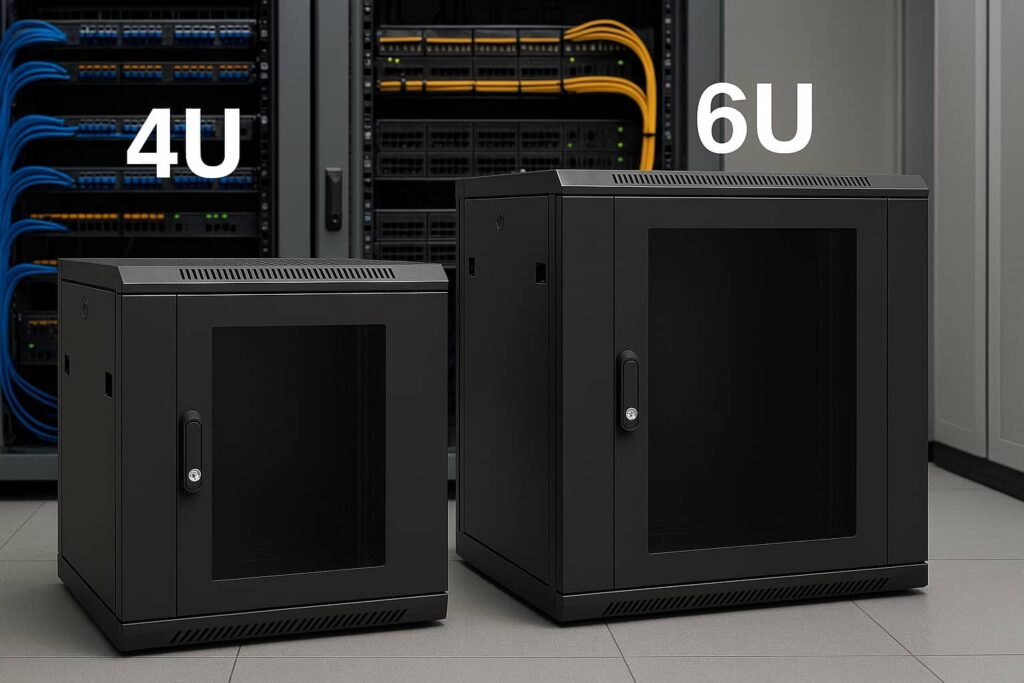
A rack unit (U) is one of the key dimensions in the telecom industry. The parameter is evaluated to determine the needed rack height and capacity for small server rooms and large data centers. Thus, it’s impossible to settle a single DC infrastructure without determining furniture units.
4U and 6U come as two most popular models for compact network systems. They are used for the accommodation of network equipment, small servers, and edge deployments. In this article, we’re going to compare these formats to help readers choose the right one.
A 4U rack unit is a metal frame designed for housing various telecom devices (compact servers, NAS, small UPS, and switches) to be placed in a structured format. Key 4U rack specifications include:
The popularity of such rack models is explained by the following advantages:
However, the rack offers limited space for adding new equipment or upgrades, which can make scaling difficult. Increasing the number of devices in a limited space may require additional cooling and ventilation, which incurs additional costs. Besides, space inside the rack is limited, which can make cable organization and management difficult, increasing the risk of cable tangles and hardening access to devices for maintenance.
The 6U rack provides more space for hardware accommodation. Due to its spaciousness and bigger size, it can house larger servers, more powerful UPS, and improved cooling modules. Key 6U rack specifications include:
Due to the specifics of the enclosure design, this cabinet model finds wide application in network systems, home offices, telecom facilities, and DC infrastructures. Its key benefits include:
However, such models take up more space, which may be undesirable in tight spaces. Besides, compared to more compact solutions, 6U racks can be more expensive, especially when you consider the cost of the required hardware. For small-scale projects or startups that don’t require high performance, a 6U rack may be overkill and uneconomical. Overall, 6U enclosures are ideal for medium to large companies that need powerful hardware, flexibility, and room for future expansion.
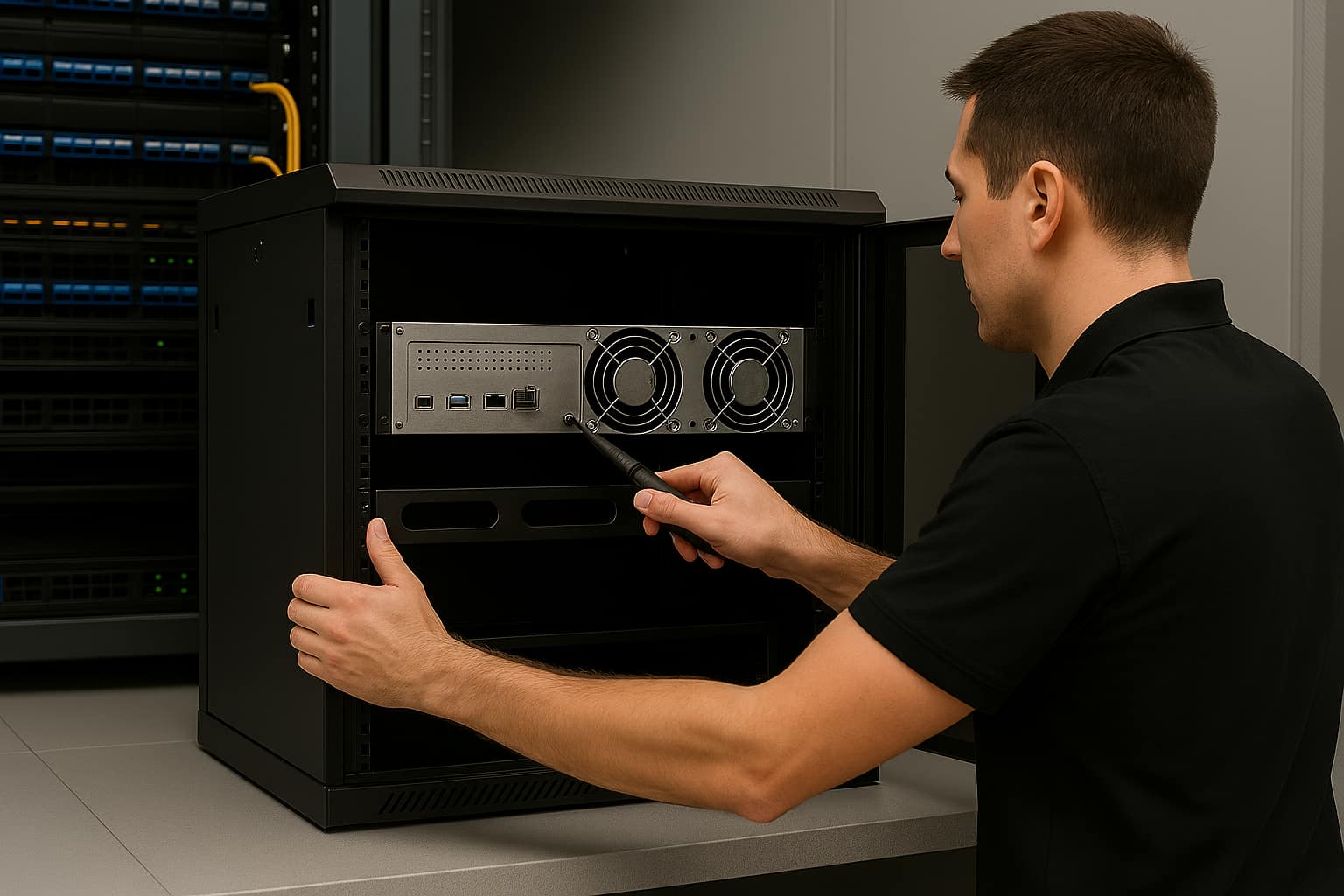
Now, when you know the features of both models, let’s move on to the comparison of 4U vs 6U rack types. For better perception, we reflect the key differences in a comparative table:
| Parameter | 4U Enclosure | 6U Enclosure |
| Height (in U and mm) | 4U (177.8 mm) | 6U (266.7 mm) |
| Internal space | Limited, suitable for small devices | Ample space for larger devices |
| Typical equipment supported | Network switches, small servers | Larger servers, switches, appliances |
| Cooling efficiency | Moderate, may require additional fans | Enhanced, better airflow support |
| Cable management space | Moderate, might be tight | More room for organized cable management |
| Scalability | Limited expansion options | Better potential for future expansion |
| Cost range | Lower, usually less expensive | Higher initially, but can save costs on expansion |
| Recommended use cases | Home labs, small office networks | SMBs, edge computing, micro-data centers |
4U racks are an excellent solution for housing compact computing or networking systems, as well as for optimizing the use of limited space. However, limited space poses some restrictions and requires thorough planning of a layout to ensure optimal performance. 6U models come as more spacious options. Their spaciousness allows for more equipment to be stacked and organized for quick access and maintenance. They provide higher adaptability to various use cases and the combination of different types of equipment within a single module. Thus, when picking between these models, the decision depends on equipment size, future growth, cooling needs, and available space. To succeed, match rack size to workload, not just available room.
Grounding is an essential concept in electricity, as it ensures safety, equipmen...
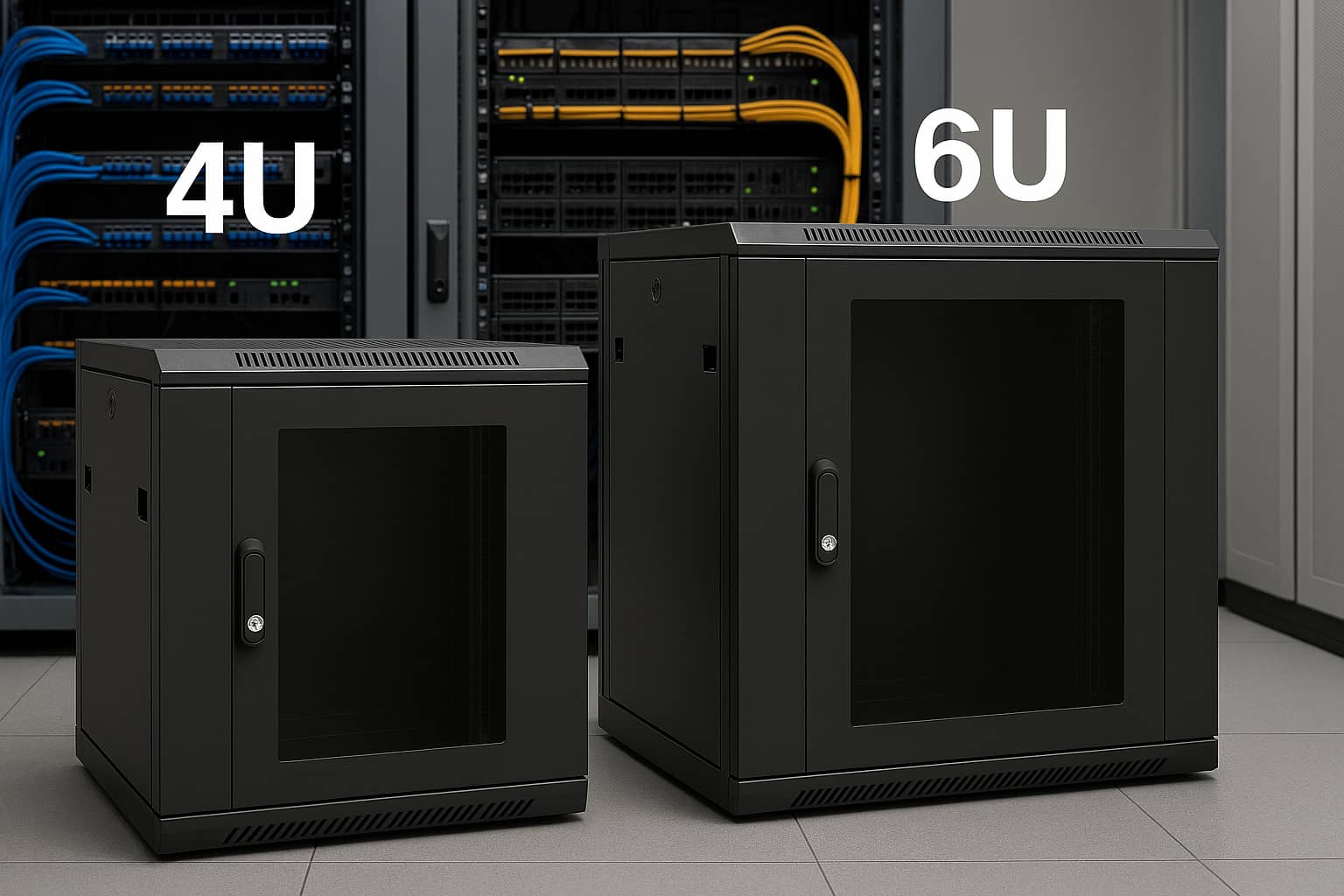
A rack unit (U) is one of the key dimensions in the telecom industry. The parame...
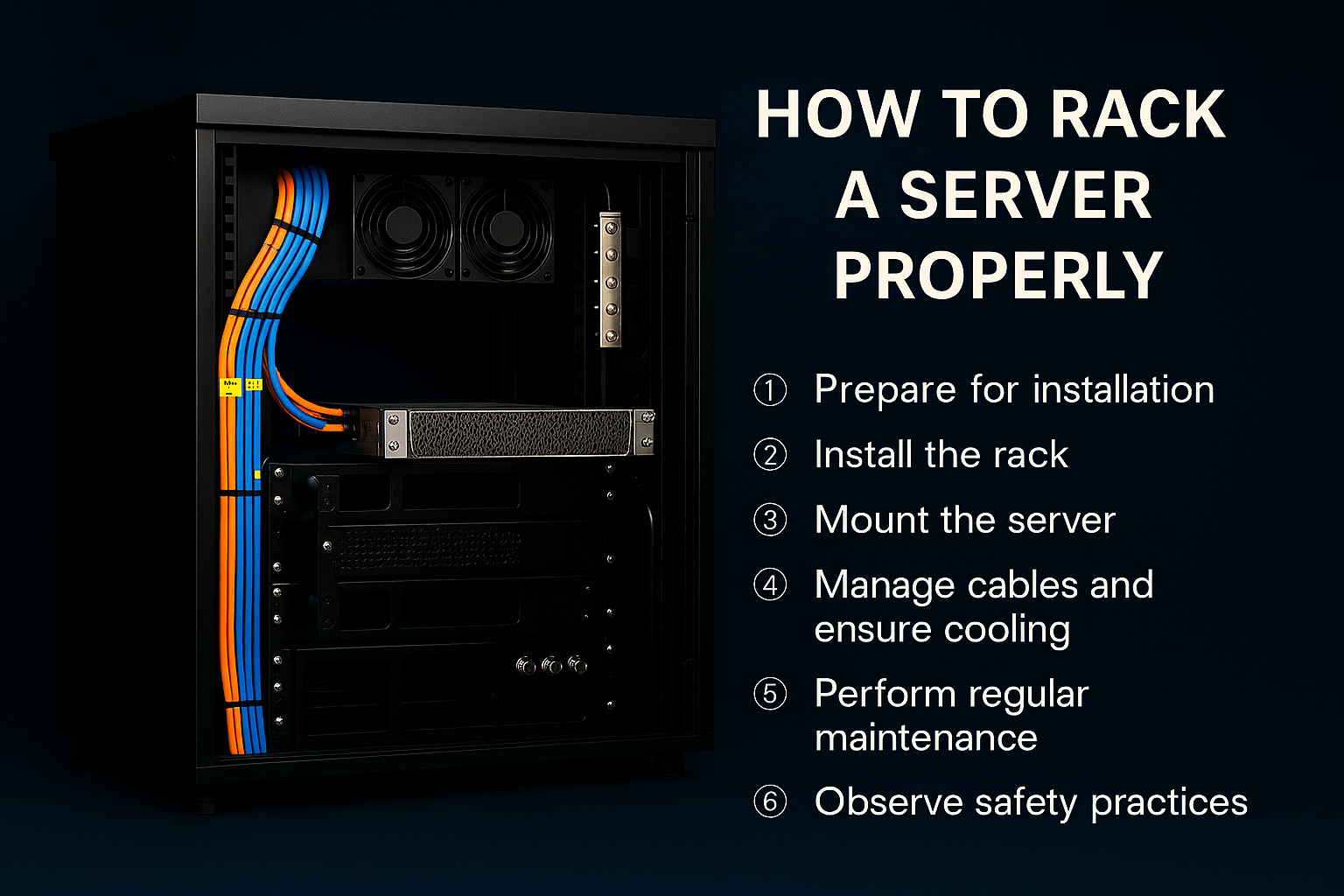
Servers come as indispensable elements of a network infrastructure. They serve a...